

If you’re searching for simbol tangan yang dilarang dalam islam , you might be expecting a list of forbidden hand signs. But Islam doesn’t work that way, and it’s more about principles than strict rules.
Islam offers guiding principles for conduct, not a detailed list of banned gestures. This article will explore gestures that are culturally offensive in many Muslim-majority regions or go against core Islamic values like humility and respect.
Understanding these nuances can help you avoid unintentional offense. The context and intention behind a gesture matter a lot.
So, let’s dive in. You’ll come away with a clearer understanding of why certain hand signs should be avoided. And you’ll be better equipped for respectful cross-cultural communication.
Core Islamic Principles That Guide Physical Conduct
When it comes to physical conduct, Islam has a set of guidelines that go beyond just what you say. It’s all about Adab—Islamic etiquette and manners. This includes how you carry yourself and your body language.
Avoiding kibr (arrogance and pride) is a big deal. Simple gestures like pointing at someone with a single finger can come off as haughty or accusatory. It’s a subtle way of showing respect and humility.
Then there’s Tashabbuh—the concept of not imitating practices from other religions, especially if they’re tied to rituals or acts considered immoral. This can apply to certain symbolic gestures too. It’s about maintaining the unique identity and values of Islam.
There’s also a strong emphasis on using the right hand for noble actions like eating, shaking hands, and giving or receiving items. The left hand is reserved for unclean tasks. This custom discourages using the left hand for greetings, reinforcing the importance of purity and respect in daily interactions.
These principles form the foundation for why certain non-verbal cues are encouraged or discouraged within Islamic tradition. For example, simbol tangan yang dilarang dalam islam highlights specific gestures that are seen as disrespectful or inappropriate.
By following these guidelines, Muslims can ensure their physical conduct aligns with the values of humility, respect, and purity.
Common Hand Gestures to Avoid in Muslim-Majority Cultures
Traveling or working in a new culture can be exciting, but it can also be frustrating. You don’t want to accidentally offend someone with a gesture you thought was harmless.
Let’s start with the thumbs-up. In the West, it means “good job” or “all good.” But in parts of the Middle East and West Africa, it’s a highly offensive, rude insult. Imagine giving a thumbs-up to a colleague and getting a shocked look in return.
Not fun.
Then there’s the moutza. This is an open-palmed gesture with fingers spread, pushed towards someone’s face. It’s a severe and ancient insult in Greece, the Middle East, and parts of Africa.
If you do this, you might as well be flipping the bird.
The fig sign—a fist with the thumb placed between the index and middle fingers—is another one to avoid. It has vulgar and offensive connotations in Turkey, Indonesia, and many other cultures. You might think it’s just a quirky hand gesture, but trust me, it’s not.
Pointing with the index finger. We do it all the time in the US, but in many other places, it’s considered accusatory and disrespectful. The proper etiquette is to gesture with an open hand, palm up.
It’s a small change, but it can make a big difference.
These are primarily cultural taboos, but they are widely observed in Muslim-majority nations. Avoiding them is a key sign of respect. Zhimbom
It’s frustrating when you accidentally use a gesture that’s offensive. But by being aware of these common hand gestures to avoid, you can show respect and build better relationships.
Understanding and respecting these cultural differences is crucial. It’s about more than just avoiding offense; it’s about showing genuine respect and building bridges.
Remember, symbol tangan yang dilarang dalam islam can vary, so it’s always a good idea to do a bit of research before you travel or interact with people from different cultures.
Why Intention (Niyyah) and Context Are Crucial
In Islam, niyyah or intention is a big deal. The spiritual value of an act is based on the intention behind it. It’s not just about what you do; it’s about why you do it.
Think about this: a tourist giving a thumbs-up out of ignorance is viewed differently from someone who knows its local meaning and uses it maliciously. The same gesture can mean different things in different contexts.
Globalization and social media have introduced Western meanings for gestures, creating a complex situation. A symbol might be acceptable online but offensive in person. This is where niyyah comes into play.
Understanding and respecting local customs is key, and assume local customs take precedence. Be observant of how people around you communicate non-verbally.
The goal isn’t to be fearful of making a mistake. It’s to be mindful and willing to learn and adapt. If you see simbol tangan yang dilarang dalam islam, for example, and you’re not sure, it’s okay to ask.
People generally appreciate the effort to understand and respect their culture.
So, what’s next? As you travel or interact with diverse groups, keep an open mind. Ask questions.
Learn, and and always, always, be respectful.
A Guide to Respectful Communication and Positive Gestures
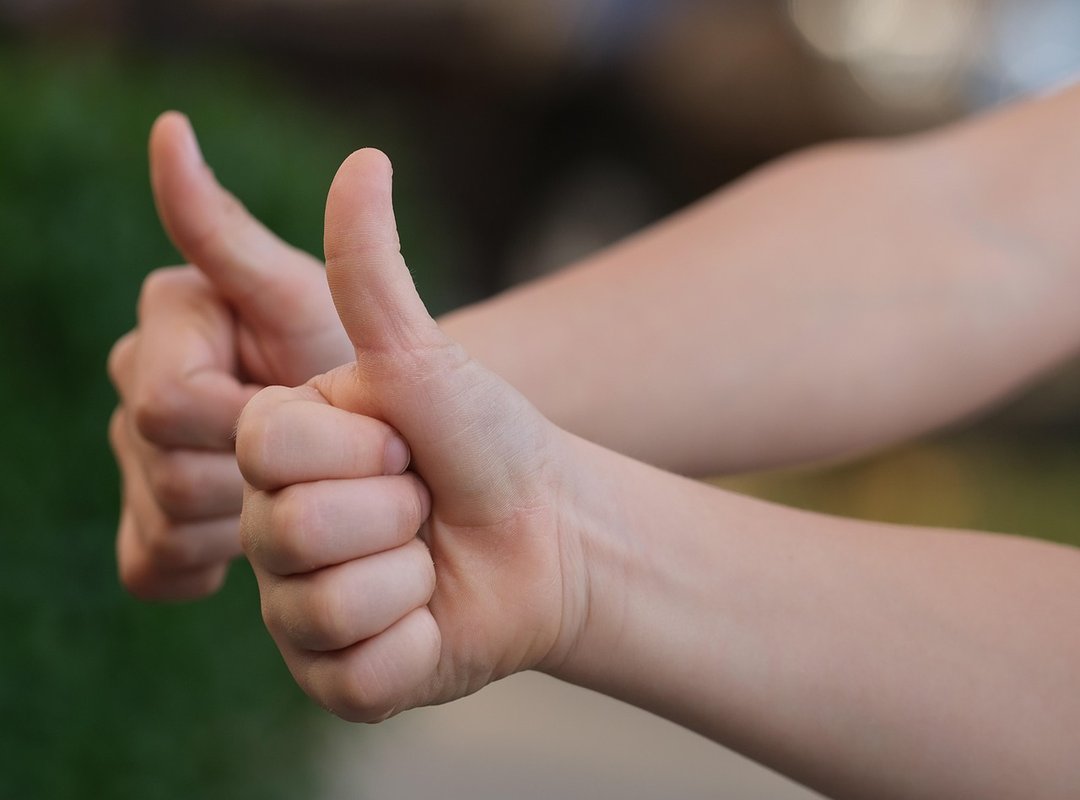
Islamic guidance on gestures is less about a list of simbol tangan yang dilarang dalam islam and more about embodying humility, respect, and kindness in all interactions.
Let’s focus on the positive. Placing the right hand over the heart is a warm and polite greeting when shaking hands isn’t appropriate.
Always use the right hand for positive interactions like passing objects, waving, and eating. It’s a sign of respect.
A simple smile and a nod are universally respectful. They can transcend most cultural barriers and make people feel at ease.
Focusing on the positive principles of good conduct, rather than just the negative prohibitions, leads to more natural and respectful communication.
Mindful body language can build bridges and foster mutual understanding across different cultures. It’s a small gesture, but it makes a big difference.
Simbol Tangan yang Dilarang dalam Islam
Simbol tangan yang dilarang dalam Islam seringkali merujuk pada tanda atau gestur tertentu. Penting untuk memahami konteks dan interpretasinya.
 Qynovox Holt serves as a cornerstone of the Zhimbom team, bringing a sharp analytical eye to the world of competitive esports tactics and multiplayer strategy. With a deep understanding of the meta-shifts that define modern gaming, Holt focuses on breaking down complex gameplay into actionable insights for the community. By analyzing high-level play and strategic maneuvers, they help bridge the gap between amateur play and professional-grade performance, ensuring the audience is always ahead of the curve.