
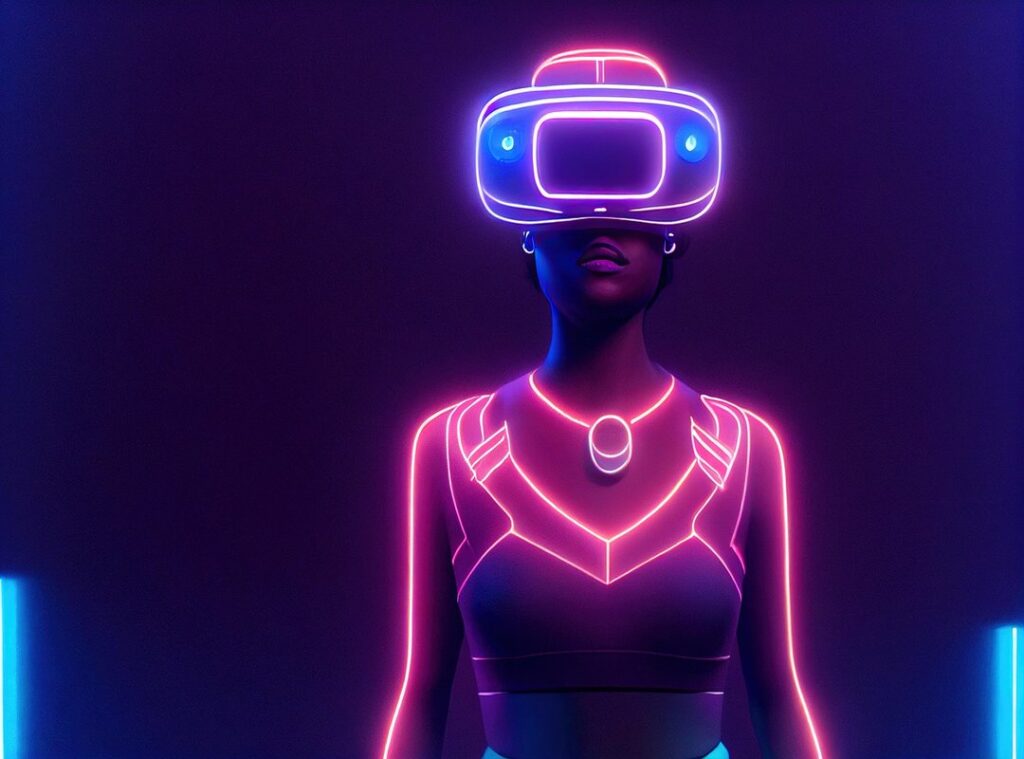
You might be feeling excited or skeptical about the VR gaming future. Is it just a passing trend or the real deal? I get it.
I’ve been there too, trying to figure out what’s hype and what’s actually worth my time.
This article aims to break down the future of virtual reality gaming. I’ll explore the latest tech advancements, design changes, and market potential. You’ll see where VR gaming is headed and what that means for you.
I’ve spent years analyzing gaming technology and design, so I’m giving you an authentic perspective. This isn’t just another hype piece. You’ll find clear definitions and takeaways into emerging technologies that will shape the gaming space.
By the end, you’ll be better prepared for what’s coming in this exciting frontier. It’s time to cut through the noise and get real about the future of VR gaming. Let’s dive in.
VR Gaming’s Wild Ride: Where We Stand Now
VR gaming’s a bit like the Wild West right now. We’re seeing some serious advancements but also hitting a few bumps. Let’s talk about those standalone headsets like the Meta Quest.
They’re great because you don’t need a computer or console. But let’s not forget console VR, like PSVR2, which brings the big-screen experience into your living room. PC VR offers the most solid experiences but at a price that’s hard to swallow.
The strengths of VR are hard to deny. The immersive presence is unlike anything else in gaming today. You’re not just playing; you’re in the game.
Genres like rhythm games and puzzle adventures are thriving, offering unique gameplay mechanics that just work better in VR. But the library needs to grow, especially in action titles.
Now, let’s address the elephant in the room. VR’s cost is still high for many, and motion sickness can be a real problem for some players. Graphics fidelity also lags behind traditional gaming.
But these challenges are paving the way for future innovation. We’ll see how the rise of indie games 2023 might inspire fresh ideas in VR. Could VR gaming future be just around the corner?
Tech Shifts: VR’s Next Big Leap
Ever tried VR and thought, “This could be better”? You’re right. Higher resolution displays and wider fields of view are on their way. These upgrades will make VR worlds as real as the one outside your window.
And let’s talk comfort (lighter) designs mean longer sessions without that dreaded headset dent.
But what about immersion? Advanced haptic feedback systems are not just futuristic buzzwords. Full-body suits and haptic gloves are set to boost your experience.
Performance is key too. Eye-tracking and foveated rendering are optimizing performance and visual fidelity. This makes VR more accessible and visually stunning.
Imagine feeling the brush of virtual wind on your skin. That’s the kind of magic we should expect.
Then there’s the impact of next-gen processing power. On-device and cloud-based advancements (thanks to 5G/6G) are reducing latency. This means more complex virtual worlds at our fingertips.
Don’t overlook emerging input methods. Hand/finger tracking is becoming more precise. Brain-computer interfaces (BCIs) might soon let you control VR with your thoughts.
If that doesn’t scream vr gaming future, what does? It’s an exciting time to be in VR, and this is just the beginning.
Redefining Play: Game Design & VR’s Next Frontier
In the VR gaming future, the days of merely porting flat games into virtual reality are numbered. Think about it. Why settle for a 3D coat of paint when VR can offer something entirely new?
Game design in VR isn’t just about visuals; it’s about creating worlds you inhabit. Full-body locomotion systems? They’re not just gimmicks.
Locomotion and player presence are the next frontier for games.
Now, let’s talk about new genres. VR opens doors to deeply interactive environments and narratives prioritizing player agency. You’re not just playing a game; you’re living it.
Imagine AI-driven NPCs that react to your every decision, creating a unique story every time you log in. That’s where changing procedural generation comes in, crafting infinite replayability.
Persistent virtual worlds are on the rise too, blending gaming with social platforms. It’s bigger than Fortnite concerts. These spaces build communities where gaming and social interaction blur, creating lively online hubs.
Finally, VR’s true strength lies in its ability to immerse. It’s about time we stopped treating VR as just another screen. It’s a portal.
Ready to step through?
Unlocking the VR Gaming Revolution: Accessibility and Integration
I’ve seen VR inch its way into the mainstream, and it’s about time. The big change? Anticipated reductions in hardware costs. Remember when flat-screen TVs were for the rich?

That’ll be VR soon.
But it’s not just about the gadgets. Simplified user experiences are key. Who wants to spend an hour setting up?
It’s a no-brainer that AAA studios are jumping in too. Look at the explosion of indie developers. It’s like the wild west in there.
New monetization models are popping up with subscription services and in-game economies. This isn’t just for hardcore gamers. You’re going to see everyone from your grandma to your dentist diving into the VR gaming future.
And let’s talk about the broader market. VR is primed to disrupt, blending into traditional gaming and pulling in new demographics. It’s not just for entertainment anymore either.
Virtual reality is creeping into education and even professional training. Imagine learning surgery through a VR headset! Virtual tourism is another frontier.
Ever wanted to visit Paris without leaving your couch?
Pro tip: If you’re thinking about diving into VR, now’s the time. Watch this space. The future is closer than you think, and it’s not just about games.
It’s a whole new world.
Navigating the Horizon: Challenges and Ethical Considerations
When it comes to the VR gaming future, battery life feels like a punchline. Never enough juice! And don’t get me started on standards for hardware and software.
It’s a wild west out there. Throw in latency issues, and you might find yourself yelling at your headset rather than enjoying it.
Skepticism is another beast. Can you blame folks for being wary? Motion sickness is a real buzzkill. No one wants to feel queasy while gaming.
Add comfort concerns, and it feels like we’re wearing a torture device instead of a headset. Overcoming these hurdles is a must if we want widespread adoption.
Now, the ethical side. Immersive worlds are amazing, but they pose real dangers. Data privacy is a mess.
Who wants their info tossed around like confetti? And digital addiction? It’s not just a sci-fi plot anymore.
The line between reality and virtuality is blurring to the point of concern.
As for VR’s future, let’s keep expectations in check. Progress will happen, but not overnight. It’s not a straight path, and that’s okay.
Speaking of paths, partnerships in gaming are growing. Check out esports partnership schools for a deep dive into this evolving scene.
Charting the VR Gaming Future
I’ve shown you what lies ahead in the VR gaming future. Remember when you wondered if VR was just a gimmick? Now you see it’s a game changer.
We’re not just talking upgrades; we’re on the brink of a complete transformation driven by serious innovation.
So what’s next? Stay informed and dive into current VR experiences. You have the chance to be part of this evolution.
Want to stay ahead of the curve? Reach out for more takeaways. Don’t let uncertainty hold you back.
Embrace the shift and get involved now.
 sparrow486 serves as a cornerstone of the Zhimbom team, bringing a sharp analytical eye to the world of competitive esports tactics and multiplayer strategy. With a deep understanding of the meta-shifts that define modern gaming, Holt focuses on breaking down complex gameplay into actionable insights for the community. By analyzing high-level play and strategic maneuvers, they help bridge the gap between amateur play and professional-grade performance, ensuring the audience is always ahead of the curve.