
Even the most skilled individuals struggle without cohesive team communication. I’ve seen it first-hand. Miscommunication leads to missed opportunities and frustration.
It’s a recipe for defeat.
High-performance teams thrive on effective communication. Look at successful esports organizations or game development studios. Every call and every sync can define their success.
If they can do it, so can we.
This article is your guide to transforming your team’s approach to team play communication. I’ve gathered practical strategies from observing and participating in intense, collaborative environments.
You’ll learn how to shift from chaotic exchanges to championship-caliber conversations.
I promise this won’t be fluff. You’ll walk away with actionable takeaways that give your team a competitive edge.
Together, we can tackle the barriers that hold teams back. Let’s make communication your secret weapon. Get ready to raise your teamwork.
The Collaborative Edge: Communication in Action
When we say collaborative communication, we’re not just talking about idle chatter. This is about shaping plan, making decisions, and acting as one. It’s knowing that team play communication isn’t just yelling into the void.
It’s about cutting through noise to deliver clarity and purpose.
Unlike a casual conversation, this is about intentional, relevant exchanges that align with shared goals. Ever watched a competitive gaming match where a team suddenly shifts from chaos to a perfectly timed attack? That’s the kind of magic I’m talking about.
The difference between winning and losing often boils down to who communicates better.
Imagine a team fight in a MOBA (Multiplayer Online Battle Arena) or a synchronized rush in an FPS (First-Person Shooter). In these moments, superior communication is the game-changer. It’s about fast reactions and coordinated strategies.
Pro tip: keep it simple. More isn’t always better. Think of it like chess (each) move, each piece, deliberate and key.
Done right, it means fewer mistakes, better resource use, and quicker decision-making. Too often, teams drown in information overload or suffer from silence. True collaboration fixes this, ensuring every word counts.
Forget the noise; focus on the goal.
Sharpening Your Edge: High-Impact In-Game Comms
Let’s talk about brevity and clarity. You need to get your point across in as few words as possible. No time for fluff when you’re in the heat of battle.
Instead of saying, “The guy’s up there and he used his flash,” try this: “Enemy top, no flash.” See the difference? It’s all about being specific and unambiguous.
Now, relevance and timeliness. Only say what matters, when it matters. If you shout out old or irrelevant info, you’re just noise.
Focus on what’s important at the moment. That’s how you keep your team composition competitive games plan tight.
Active listening isn’t just for therapy. In team play communication, it’s key. Hear what your teammates say and confirm it.
Misunderstandings can cost you the game. So, listen up, acknowledge, and move on. Simple, but effective.
Structured callouts? Break them down. Threat alerts, objective statuses, cooldown tracking, and positioning need their own style.
Each type of call has its best practices. Nail these, and your comms transform from chaos to clarity.
And hey, let’s not forget emotional regulation. Keep your voice calm even if your heart’s racing. Stressful moments need composed comms.
You’re competitive, not chaotic. Maintain a cool tone to keep the focus on what’s important.
Picture this: One player screams incoherently, while another calmly provides clear directions. Which scenario leads to victory? Exactly.
It’s about staying sharp in the chaos. So, sharpen your edge and dominate with effective communication.
Beyond the Battlefield: Mastering Team Plan
Building team cohesion goes beyond just winning matches. It’s the art of communication outside the arena that fuels long-term success. Communication isn’t just key; it’s the whole door.
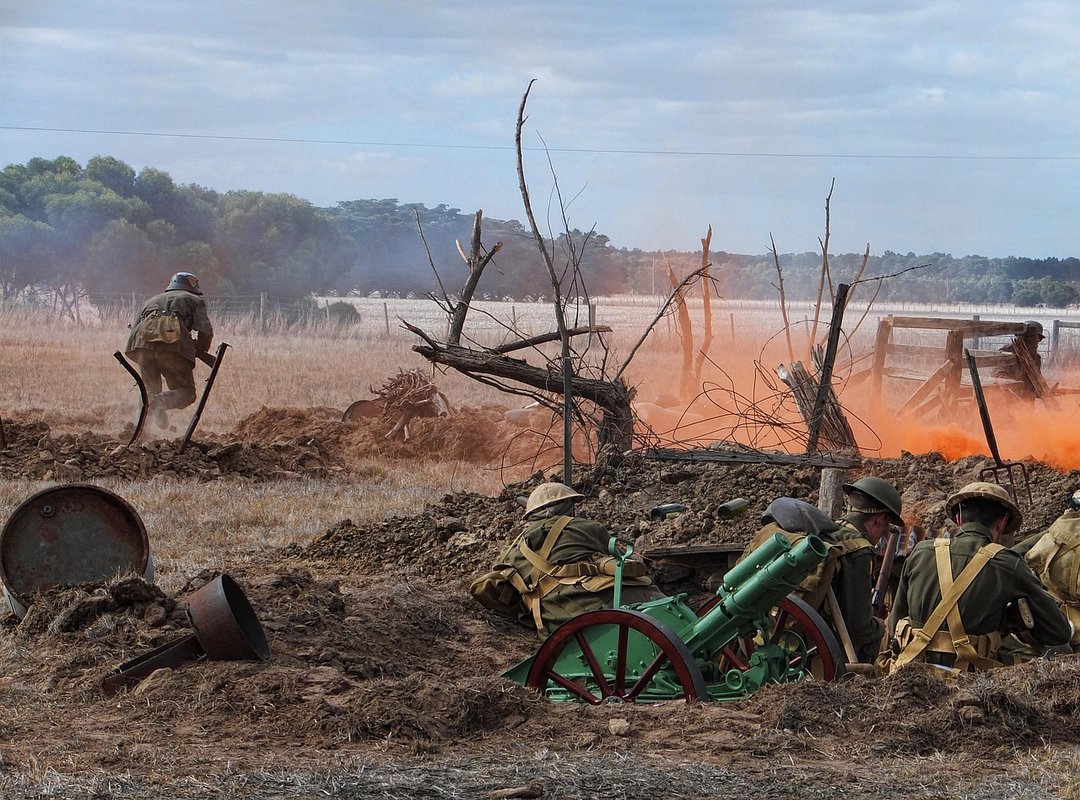
Seriously, how do you expect to dominate when your team can’t even agree on a plan?
Pre-game planning is important. Sit down and talk about meta shifts, align on goals, and make sure everyone’s on the same page. It’s amazing how many teams skip this part, thinking they’ll just figure it out as they go.
Spoiler alert: they won’t.
After the game, you need to dissect what happened. But remember, this isn’t about pointing fingers. Focus on actions and outcomes instead.
VOD reviews are your friend here. Want to improve? Be objective.
Forget blaming your teammates or raging over their mistakes.
Conflict resolution? Yeah, it’s uncomfortable. But guess what?
It’s necessary. Bringing up disagreements with the right communication techniques can build psychological safety. This is how you build trust.
It’s like patching up holes in a sinking ship. Do you want to stay afloat or drown in drama?
Set clear expectations and roles. Let everyone know what they’re responsible for. This isn’t rocket science but somehow it’s still overlooked.
Open communication ensures no one’s left in the dark. Everyone should know how they contribute to the collective goal.
Speaking of understanding, develop a shared language. Simplify complex ideas into quick, understood cues. This is what team play communication looks like.
It’s not just useful; it’s game-changing.
Arsenal of Advantage: Tools for Team Communication
Team play communication is the backbone of any gaming success. You can’t win if you can’t talk, right? Let’s start with voice chat software.
Discord is the go-to for most gamers because it’s versatile and user-friendly, but don’t overlook TeamSpeak. It’s got lower latency, which is key in fast-paced games. In-game voice chat can sometimes be hit-or-miss, depending on the game.
So, tweak those settings for clarity and avoid echoing your team’s commands into oblivion.
Now, let’s talk non-verbal cues. Ever used in-game pings or emotes? These tools are lifesavers when speed is everything.
A well-timed ping can alert your team to threats or objectives without you having to say a word. It’s like having a secret language that only your team understands. Movement patterns also play a role.
A quick dance or crouch can signal your next move. It’s all about reading the room (or map).
The role of a shot-caller or IGL (In-Game Leader) is key. This person keeps the team focused and decision-making smooth. They’re the captain of the ship, and without them, you’re just a bunch of people yelling into microphones.
Support them, and they’ll lead you to victory.
When it comes to brainstorming or solving problems, structured discussions can break down barriers. You can overcome any hurdle with the right approach. And don’t forget about documentation.
Shared notes or wikis keep everyone on the same page and speed up onboarding.
Finally, practice makes perfect. Repetition hones communication skills. Drills aren’t just for the military; they’re for gamers too.
And if you’re curious about using deception in team strategies, explore deception multiplayer tactics for more takeaways. Keep those skills sharp, and your team will thank you.
Boost Your Team’s Performance Today
Superior collaborative communication isn’t just a nice-to-have. It’s the bedrock of sustained success. Without it, your team is stuck in frustration and misplays.
I’ve seen it happen too many times. Teams struggle without clear strategies, leading to underperformance. The solutions I’ve shared are practical and battle-tested.
They build clarity, trust, and synchronized action under pressure.
Imagine transforming your team into a cohesive force. You can achieve that by applying these strategies immediately. Practice them relentlessly.
Watch as your team evolves into something formidable.
Mastering team play communication is the ultimate upgrade. It paves the way for not just wins, but a truly rewarding team experience.
So why wait? Start now. Set up these strategies and feel the change.
Your team deserves success. Take action today and raise your performance to new heights.