

I remember my first hour in Zhimbom. I stood at the edge of the Crimson Wastes with no idea where to go or what half the factions even wanted.
You’re probably staring at the map right now feeling the same way. The world is massive and the game doesn’t hold your hand.
Here’s the thing: Zhimbom‘s world isn’t just backdrop. It’s part of how you play. The continents matter. The factions shape everything from your quest lines to your gear progression.
I’ve put in thousands of hours exploring every corner of this world. I’ve made the mistakes so you don’t have to.
This guide breaks down the key continents you need to know about. I’ll explain which factions actually matter for your playstyle and how the world itself changes your strategy.
No lore dumps. No overwhelming details about every minor NPC.
Just what you need to start your adventure without feeling lost. You’ll learn which regions to prioritize, which faction relationships open the best opportunities, and how to read the world so it works for you instead of against you.
The learning curve is steep but it doesn’t have to be painful.
The Shattered Realm: Understanding the Core Lore of Zhimbom
You boot up the game zhimbom and you’re hit with it immediately.
The world is broken. Not metaphorically. Actually shattered into floating fragments suspended in void.
The Cataclysm happened three centuries ago when the Arcane Conduit ruptured. Think of it as the world’s magical power grid exploding all at once. Continents split apart. Cities fell into the darkness between realms. What’s left are these isolated regions connected by unstable bridges of raw energy.
Each fragment evolved differently after the split.
Some embraced the wild magic that leaked from the rupture. Others rejected it completely and built tech to survive. That’s your central tension right there. The Arcanists who think magic is humanity’s birthright versus the Ironbound who see it as the thing that destroyed everything.
Neither side is wrong (and that’s what makes the conflict interesting).
The art style reinforces this split world perfectly. Arcanist territories glow with these pulsing purple and blue hues. Everything feels alive but unstable. The Ironbound zones are all sharp angles and rust-red metal. The soundtrack shifts between ethereal choirs and industrial percussion depending on where you stand.
Here’s why this matters to you.
Every quest you take sides with one faction or tries to bridge the gap. Every battle happens because of resources scarce since the Cataclysm. Your alliances form based on whether you trust magic or machines to rebuild civilization.
The lore isn’t backstory. It’s the reason who can play zhimbom game becomes such a loaded question. Because choosing your path means choosing what kind of world you think deserves to exist.
A Traveler’s Guide: The Major Regions and Continents
I’ll never forget my first time stepping into The Verdant Expanse.
I thought I knew what to expect. Green fields, some basic wolves to fight, maybe a few fetch quests. Standard MMO stuff.
Then I saw the Lumina Trees.
These massive things stretched hundreds of feet into the sky, their leaves glowing with this soft blue light that pulsed like a heartbeat. I stood there for a good five minutes just staring. (My guild still makes fun of me for it.)
The Verdant Expanse is where everyone starts in zhimbom. It’s your tutorial zone, sure. But calling it just a tutorial zone feels wrong. You’ve got Springhaven as your main hub city, nestled right against the coast. The marketplace there never sleeps.
You’ll fight Thornback Boars and Crystal Wisps mostly. Nothing too scary. But pay attention to the combat patterns here because they matter later.
The Ashen Frontier
Now this place will kill you.
I hit level 45 and thought I was ready. I wasn’t. The ground itself deals damage if you stand in the wrong spot. Sulfur vents erupt without warning. And the Magma Drakes? They don’t care about your gear score.
But here’s why people go anyway.
Obsidian Ore. Flame Crystals. Resources you can’t get anywhere else. I’ve made more gold farming the Frontier for three hours than I did in a week anywhere else.
The PvP situation is intense. No safe zones once you’re past the border outpost. I’ve had guild groups camp the mining nodes for days during server events.
The Sunken Isles
This region changed how I think about underwater content.
Most games make swimming feel clunky. The Sunken Isles actually works. Your abilities change when you dive. Movement becomes three-dimensional in a way that makes sense.
The questlines here tie into the Tidecaller civilization. Ancient temples, forgotten magic, the whole deal. You’ll need a ship to navigate between islands, and yes, naval combat is a thing.
Pro tip: Invest in the Aqua Breathing enchant early. Trust me.
Strategic Importance
Here’s where things get interesting.
Control of these regions shifts during Conquest Events. When my guild held The Ashen Frontier for two weeks last month, we had exclusive access to the Volcanic Forges. Our crafters went crazy.
The zhimbom servers track regional control in real time. Lose a territory and you lose the bonuses. It keeps the map alive and contested.
Factions & Allegiances: Who Runs the World of Zhimbom?
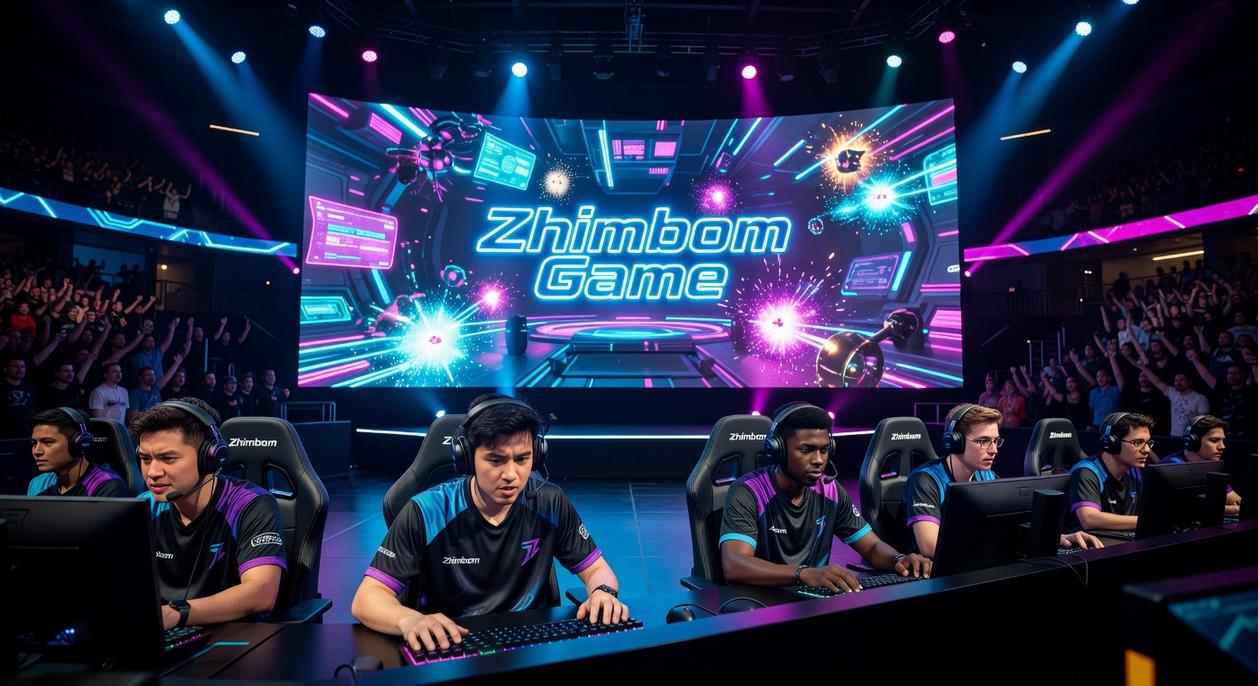
You can’t just wander around Zhimbom without picking a side.
The game forces your hand. And honestly? I think that’s one of the best design choices the developers made.
Let me walk you through who actually runs things.
The Legion of Dawn controls most of the civilized territories. They’re all about order and protection. Think gleaming armor and fortress cities that actually look like someone planned them.
Their whole deal is defense. If you align with them, you get access to shield tech and armor sets that can tank hits most players wouldn’t survive. I’ve seen Dawn players walk through boss mechanics that would flatten anyone else.
The aesthetic is clean. Maybe too clean for my taste, but it works.
Then you’ve got The Abyssal Covenant on the other side. They operate out of the shadow regions and corrupted zones. Their visual style is exactly what you’d expect (dark, jagged, lots of red accents) but it doesn’t feel lazy.
What makes them interesting is the offensive gear. We’re talking damage multipliers and abilities that let you shred through enemy defenses. If you want to know what game zhimbom from draws its faction conflict inspiration, look at classic light versus dark setups but with actual mechanical differences.
Covenant players hit hard.
The Merchant’s Guild sits in the middle. They don’t care about your moral alignment. They care about gold.
This faction is for players who’d rather control the economy than fight in it. You get access to exclusive crafting recipes and trade routes. I know players who’ve built entire fortunes without touching combat content.
Here’s what matters most.
Your choice isn’t cosmetic. Pick the Legion and certain Covenant NPCs won’t even talk to you. Side with the Abyss and you lose access to Dawn questlines permanently.
The Merchant’s Guild keeps doors open, but you sacrifice the powerful factional gear.
I went Covenant on my main. No regrets.
More Than Scenery: How World Design Shapes Gameplay Strategy
Most players think maps are just backdrops.
They’re wrong.
I’ve watched countless matches where the better team lost because they didn’t understand the terrain. They had superior aim and faster reflexes but got destroyed because they fought uphill or pushed through a chokepoint without thinking.
Here’s my take. World design isn’t decoration. It’s the invisible hand that controls every fight you take.
Take The Shattered Bridge in zhimbom. That narrow crossing with the broken pillars? It’s a masterclass in forced decision making. You either cross and risk getting picked off or you take the long route and lose map control. The designers knew exactly what they were doing when they put a resource node on the other side.
Which brings me to something most players overlook.
Those rare crafting materials you need? They’re never in safe spots. Game designers place them in contested zones on purpose. It’s not random. They want you fighting over them because conflict creates memorable moments.
Some people argue this design philosophy is manipulative. That it forces PvP on players who just want to gather resources peacefully. And yeah, I see their point. Not everyone wants constant combat.
But that tension is what makes exploration mean something. Finding a titanium deposit in a safe zone doesn’t feel like an achievement. Sneaking into enemy territory and getting out alive? That’s a story you remember.
Now let’s talk about dynamic events. When a meteor shower hits or an invasion spawns, the whole map changes. High ground becomes dangerous. Safe routes turn into death traps. These temporary shifts keep you on your toes because what worked yesterday might get you killed today.
One last thing. If your framerate tanks in certain areas, that’s actually useful information. Those graphically intense zones tell you where your setup needs work before a crucial match happens there.
Your Adventure Begins Now
You came here feeling lost in a massive world.
I get it. Zhimbom can be overwhelming when you first start. The map stretches in every direction and you’re not sure where to begin.
But now you have something most new players don’t: context.
You understand the history behind the factions. You know why certain regions matter and what drives the inhabitants you’ll meet. That knowledge changes everything.
When you know the ‘why’ behind the world’s design, you play differently. You strategize better. You see connections other players miss.
The confusion is gone. Now comes the exciting part.
Log in and choose a region that speaks to you. Maybe it’s the frost-covered northern territories or the contested borderlands where three factions collide.
Start making your mark. The decisions you make will ripple through Zhimbom in ways you can’t predict yet.
The world is waiting for you to step in and claim your place.
 mateo_h4 founded Zhimbom to transform the way players engage with the gaming world, moving beyond the surface to explore the technical heart of the industry. By dissecting core design mechanics, competitive esports tactics, and hardware optimization, the platform provides a comprehensive roadmap for mastering both play and performance. At its core, Zhimbom is a commitment to the gaming community to provide professional-grade insights that empower every enthusiast to understand and excel in the games they love.