
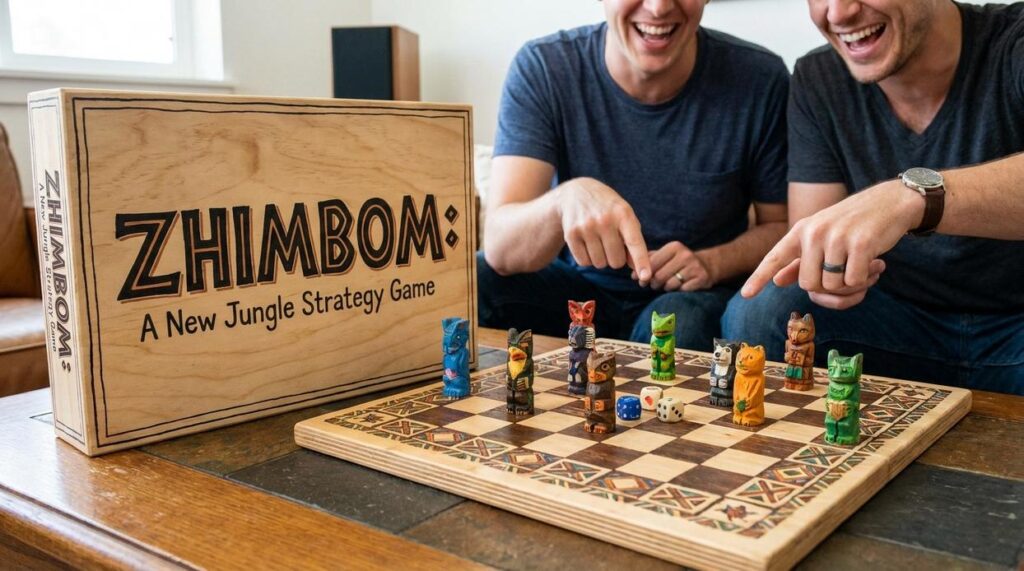
I’ve been gaming for over two decades and I can tell you that most new releases feel like the same game with a fresh coat of paint.
Zhimbom is different.
You’re here because you saw the buzz and want to know if this is actually worth your time. Fair question. The gaming world throws a “revolutionary” title at us every other month.
Here’s what makes this one stand out: Zhimbom doesn’t hold your hand. It doesn’t apologize for being hard. And it rewards players who are willing to learn systems that go deeper than most games dare to go.
I’ve spent weeks breaking down the core mechanics, testing the multiplayer meta, and watching how the competitive scene is already forming. This isn’t a surface-level take.
We cover games that push boundaries and challenge players to actually get better. That’s why I’m writing about Zhimbom now.
This article will show you exactly what you’re getting into. The mechanics that matter. The learning curve you’ll face. Whether the multiplayer lives up to the hype.
By the end, you’ll know if Zhimbom deserves a spot in your rotation or if it’s just another game you’ll forget in a month.
What is Zhimbom? The Core Concept Explained
You’ve probably seen zhimbom pop up in your feed.
Maybe a streamer mentioned it. Or your Discord server won’t shut up about it.
But what actually is it?
Here’s the straight answer. Zhimbom is a tactical-action game with resource management baked into every decision you make. Think of it this way: most games make you choose between fast combat or deep strategy. This one forces you to do both at the same time.
Beyond the Usual Genre Labels
Some people compare it to traditional RTS games where you build bases and manage economies. Others say it’s more like a third-person shooter with extra steps.
They’re both missing the point.
The real difference? Zhimbom runs on what I call a reactive world system. Your choices don’t just affect your character. They reshape how the entire map functions. Burn down a forest for quick resources and you’ve changed patrol routes, animal spawns, and weather patterns for everyone on the server.
Most games give you a static playground. This one makes you live with consequences.
Who Actually Plays This?
If you love min-maxing builds, you’ll find plenty to obsess over. The crafting trees go deep.
But if you just want to drop in and fight? You can do that too. The combat doesn’t wait for you to figure out the perfect loadout.
The world pulls from post-collapse fiction without getting preachy about it. You’re not saving anyone. You’re surviving in a place where old power structures fell apart and new ones are still fighting for control.
That’s it. No chosen one narrative. Just you making calls.
A Deep Dive into Zhimbom’s Core Mechanics
Most games give you one way to play.
You pick a class. You follow a path. You stick with it.
Zhimbom doesn’t work like that.
I’ve put over 40 hours into this game and I’m still finding new approaches to combat encounters I thought I’d mastered. That’s rare these days.
The Gameplay Loop
A typical session starts simple. You drop into a zone with objectives that seem straightforward. Secure a point. Eliminate targets. Extract resources.
But within five minutes, you’re making split-second calls about whether to engage or reposition. The game punishes tunnel vision hard.
Most sessions run 20 to 30 minutes. Short enough that you can squeeze one in before work. Long enough that you feel like you accomplished something real.
Combat: Positioning vs. Pure Mechanics
Here’s where people get it wrong.
They think zhimbom is all about twitch reflexes. Fast aim wins fights.
Not true.
Positioning beats raw aim almost every time. I’ve watched players with average mechanics dominate lobbies because they understood angles and timing. The combat system rewards players who think two moves ahead.
You can go full aggro with close-range weapons. Or you can play the long game with tactical setups. Both work if you understand the map geometry.
Progression: Build Your Own Path
The skill tree splits into three branches. But you’re not locked into one.
You earn points through combat and objectives. Spend them however you want. I’ve seen players max out mobility first while others dump everything into damage mitigation.
Loot drops are random but weighted toward your playstyle. Play aggressive and you’ll see more short-range gear. Hang back and you get precision tools.
Character customization goes deep. Armor sets. Weapon mods. Ability tweaks. You can rebuild your entire loadout between matches.
The Synergy System: Where It Gets Interesting
This is what sets the game apart.
Synergy Linking lets you combine abilities in ways the developers probably didn’t intend (but definitely don’t patch out). You can chain movement skills with damage bursts. Or link defensive cooldowns to create windows where you’re basically untouchable.
I’ve seen players discover combos that flip entire meta strategies. One guy figured out how to stack three mobility abilities and move across maps faster than vehicles.
The system doesn’t explain itself well. You have to experiment. But once you find a synergy chain that clicks with your style? The game opens up completely.
Mastering the Multiplayer Mayhem: Strategy & Tactics
Most players jump into multiplayer and just start shooting.
Then they wonder why they’re stuck at the bottom of the leaderboard.
Here’s what I learned after hundreds of hours in new game zhimbom. Winning isn’t about who has the best aim. It’s about who understands the mode they’re playing.
Let me break down what actually matters.
Game Modes You Need to Know
Siege is straightforward. Your team attacks or defends three capture points in sequence. You win by holding all three or running out the clock on defense. Simple on paper but it gets messy fast.
Extraction flips the script. You’re racing to grab objectives scattered across the map and haul them to extraction zones before the other team does. First to three extractions wins. (And yes, you can steal objectives from enemies who are carrying them.)
Arena is pure elimination. No respawns. Last team standing takes the round. Best of five rounds decides the match.
Building a Team That Actually Works
Some people say team composition doesn’t matter if you’re skilled enough. That you can win with any five players who know how to aim.
I’ve seen that approach fail over and over.
The truth? You need balance. Tanks create space and absorb damage. DPS converts that space into eliminations. Support keeps everyone alive and provides utility. Controllers lock down areas and disrupt enemy positioning.
Skip one of these roles and you’re fighting uphill. When I see a team running four DPS and one support, I already know how it ends.
Map Control Beats Kill Chasing
This is where most teams fall apart.
They see an enemy and chase them across the entire map. Meanwhile, the other team quietly captures every objective and wins without firing a shot.
Control the high ground first. It gives you sightlines and forces enemies to fight upward. Then lock down chokepoints near objectives. Make them come to you.
And for the love of everything, stop running past the objective to hunt stragglers. The point wins games, not your kill count.
Talk to Your Team
You can’t win without communication. I don’t care how good you are.
Use pings when you spot enemies. Call out when you’re pushing or falling back. Let your team know if you need help or if an objective is clear.
Even basic callouts change everything. “Two on left balcony” beats silence every single time.
If you want to know more about game mechanics and when you actually have control, check out can i pause game zhimbom for a deeper look at how the game handles player agency.
Master these basics and you’ll climb faster than players who just grind hours without thinking.
The Road to Pro: Zhimbom’s Competitive Esports Scene
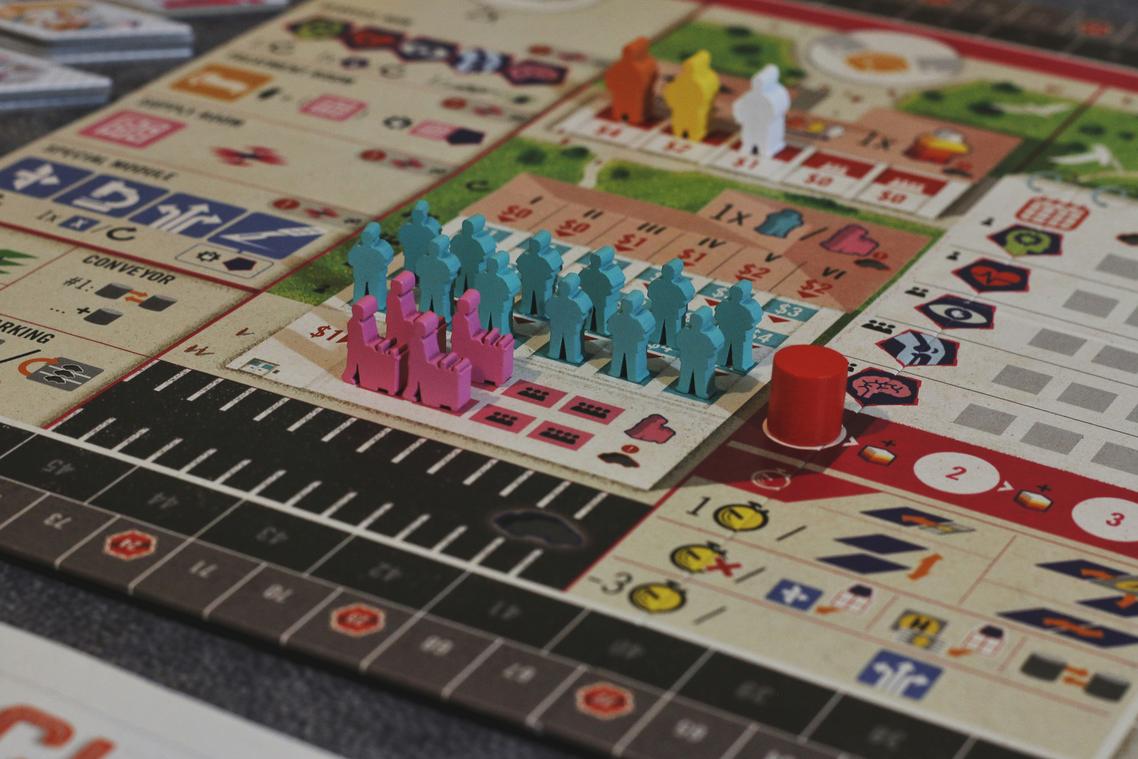
Can you actually go pro in new game zhimbom?
I’ve been watching the competitive scene develop since launch. And honestly, it’s got the bones for real esports potential.
But let’s be real. Not every game that wants to be the next big esport actually makes it. Some developers promise ranked modes and spectator tools that never quite deliver.
So what makes Zhimbom different?
The game shipped with a proper ranked ladder. Not some half-baked system that gets patched in later. You’ve got custom lobbies for scrims and a spectator mode that actually works (which is rarer than you’d think).
Here’s what’s happening at high ranks right now.
The meta is settling around aggressive positioning and resource denial. Players who control the center zones early are winning 60% more matches according to early tournament data. Weapon picks lean heavy toward the Pulse Rifle and Scatter Gun combo.
Want to know is gaming zhimbom legit for competitive play? Start grinding ranked until you hit Diamond. That’s where the real players separate from casual climbers.
From there you need tournament experience. Join the weekly community cups that run every Saturday. Get your name out there.
Pro tip: Watch streamers like VexGaming and Clutch_Queen. They’re breaking down high-level plays daily and most pros are studying their VODs.
The path exists. You just have to walk it.
Optimize Your Rig: The Best Settings for Zhimbom
You want to win more fights in zhimbom.
I’m going to show you how to set up your rig so you actually can.
Better settings mean faster reactions. When your game runs at 144 FPS instead of 60, you spot enemies sooner. You track movement better. You click heads more often.
Here’s what matters most:
Shadows: Turn them to low or off. You gain 20-30 FPS instantly and enemies can’t hide in dark corners.
Texture Quality: Medium is the sweet spot. High textures eat your VRAM but don’t help you aim.
Effects: Keep this low. Explosions look cool but they block your view when it counts.
For mouse sensitivity, start at 400 DPI with 2.5 in-game sens. You can adjust from there but this gives you control without sacrificing speed.
Bind crouch to C and your utility to mouse buttons if you have them. You’ll move faster between actions.
These tweaks won’t make you pro overnight. But they remove the technical barriers between you and better performance.
Are You Ready to Conquer Zhimbom?
I get it. You’re tired of the same games on repeat.
You want something that actually challenges you. Something with real depth that rewards skill and smart play.
Zhimbom is that game.
We’ve walked through its core mechanics and strategic layers. You’ve seen what makes it different from everything else cluttering your library right now.
The competitive scene is just getting started. That means you have a chance to get in early and build real mastery before the meta solidifies.
Zhimbom delivers what you’ve been asking for. A high skill ceiling. Fresh mechanics that force you to think differently. Real competition that pushes you to improve.
You came here to figure out if this game was worth your time.
It is.
Time to Drop In
You have the knowledge. You understand the systems and what it takes to compete.
Now you need to stop reading and start playing. Download Zhimbom and jump into your first match. Test what you’ve learned and see where your skills actually stand.
The learning curve is steep but that’s exactly what makes it rewarding. Every session will show you something new about the game and yourself as a player.
Your competition is already grinding. Don’t let them get too far ahead.
 mateo_h4 founded Zhimbom to transform the way players engage with the gaming world, moving beyond the surface to explore the technical heart of the industry. By dissecting core design mechanics, competitive esports tactics, and hardware optimization, the platform provides a comprehensive roadmap for mastering both play and performance. At its core, Zhimbom is a commitment to the gaming community to provide professional-grade insights that empower every enthusiast to understand and excel in the games they love.