

Game design can make or break a player’s experience. I’m sure you’ve seen plenty of games that just don’t hold your attention. It’s frustrating, right?
Poor design strategies lead to lost players and wasted potential.
I’ve noticed how many developers overlook player psychology games when crafting their experiences. If they understood their audience better, they’d create something that keeps players coming back.
Trust me, I’ve spent a lot of time digging into game mechanics and what really keeps players engaged. I’ve seen firsthand how effective design can raise a game.
In this article, I’ll share takeaways into game design that focuses on player engagement. You’ll discover strategies that attract players but also keep them invested. So, if you’re looking to level up your game design skills, you’re in the right place. to what makes a game truly engaging.
Cracking the Code: Game Design Basics
When it comes to game design, I’ve got some strong opinions. It’s not just about flashy graphics. It’s about player engagement, which is tied to understanding player psychology games.
Ever wonder why some games keep you hooked for hours? It’s all in the fundamentals.
First off, you’ve got the mechanics. Think of them as the rules that govern the game. Without solid mechanics, a game falls flat.
Then there’s dynamics. This is how the game plays out when you put those rules into action. Dynamics shape your experience, make it thrilling or just plain dull.
And let’s not forget aesthetics. They’re the game’s look and feel. But it’s not just about pretty visuals; it’s about the emotional response they trigger.
These elements together make or break a game. A compelling gaming experience isn’t an accident. It’s crafted.
Every game on your shelf that you return to is a this. And if you’re curious about balancing these elements, remember that game balance matters.
Pro tip: when playing, look beyond the surface. Notice how these elements impact your journey. Who knew that the secret sauce of gaming was this tangled web of design principles?
But hey, that’s why we love them, right?
Crafting Engaging Player Experiences: Keep Gamers Hooked
Creating an engaging game is like crafting a good story. You need to know your audience and what keeps them glued to the screen. It’s not just about flashy graphics or complex mechanics.
At its core, it’s about understanding player psychology games. You know, what makes players tick.
Narrative is your secret weapon. A compelling story can make or break your game. Think of “The Last of Us” or “Red Dead Redemption.” These games use narrative to create emotional connections.
Players feel invested in the characters and plot, not just the action. It’s like watching a movie unfold, but you’re in the driver’s seat.
Pro tip: Use player choices to boost engagement. When players feel their decisions shape the story, they’re more likely to stick around. “Life is Strange” does this well. Choices matter, and players love that feeling of control.
Let’s talk about immersion. To pull players into your world, focus on details. Sound, visuals, and character interactions all contribute.
Take “The Witcher 3,” for example. Its open world feels alive because every element is meticulously crafted. You can almost feel the wind on your face.
For a deeper dive into how psychology plays a role in gaming, check out this player psychology games resource. It’s fascinating how understanding the human mind can raise your game design.
In short, if you want players to keep coming back, focus on narrative and immersion. These are the keys to crafting experiences that connect.
Feedback Magic: Elevating Player Engagement
Feedback in games isn’t just important; it’s a game-changer. I mean, who wants to play a game that feels like shouting into the void? Effective feedback systems are the backbone of player psychology games, keeping players hooked and invested.
Visual feedback is probably the most common. Think about the glowing health bar or the flashy “Level Up!” It’s like the game is high-fiving you. Then there’s auditory feedback, which is equally solid.
The sound of coins jingling or the ominous music when danger’s near? That stuff gets your heart racing. And let’s not forget haptic feedback, like the controller rumbling in your hands.
It’s a physical nudge saying, “Pay attention!”
Now, let’s talk examples. Take “Fortnite.” It uses lively visual cues and sound effects to make sure you know exactly what’s happening. Whether you’re being sniped or collecting loot.
Or “The Last of Us Part II,” where subtle vibrations add a layer of tension and immersion.
But here’s the kicker: it’s all about balance. Too much feedback can overwhelm, too little can leave players lost. Pro tip: always consider your audience.
Are you designing for hardcore gamers or casual players? Each group craves different levels of engagement. Effective feedback is key.
Without it, games risk becoming just another forgettable experience.
Game On: Player Data Drives Design
You know what’s fascinating? How player psychology games can transform game design. We often think we know what players want, but data tells the real story.
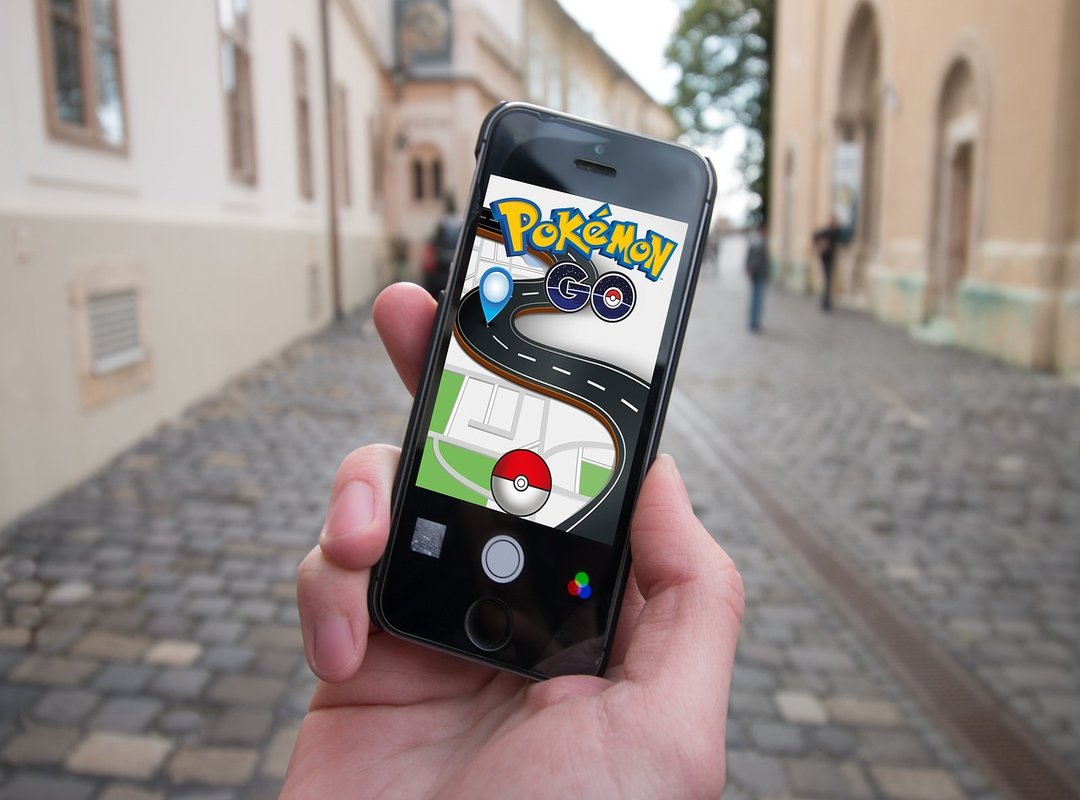
Ever wonder why some games just click with players while others flop? It’s not magic. It’s data.
Collecting player data is like listening to a secret conversation. You get takeaways into how players interact with the game, what frustrates them, and what keeps them coming back for more. But how do we gather this data?
Simple. Use in-game analytics tools. These tools track player movements, choices, and even rage quits (we’ve all been there).
Once you’ve got the data, the real work begins. Analyzing it can reveal trends and patterns. Maybe players are skipping a level because it’s too hard.
Or perhaps they’re spending hours on a side quest. This info is pure gold for designers. It’s like getting a sneak peek into players’ minds.
Now, you might be asking, how do we use this data? Start by tweaking game mechanics based on feedback. If players find a level too challenging, adjust it.
If a feature is popular, expand on it. It’s all about creating a game that feels intuitive and rewarding.
For those looking to craft engaging storylines games, player data is useful. It helps in crafting narratives that connect with players. Think of it as the difference between a blockbuster hit and a straight-to-DVD flop.
Pro tip: always keep testing. Iteration is key. After all, the gaming world is ever-changing.
Stay ahead by letting player data guide your next move. Game on!
Balancing Challenge and Reward: The Gamer’s Dilemma
Why do we game? I’d argue it’s the thrill of overcoming challenges and the sweet taste of victory. But here’s the kicker: getting the balance right between difficulty and reward is key.
If a game is too easy, it loses its grip. Too hard, and players might just rage quit. We’ve all been there, right?
Creating that perfect balance is an art form. Games like Dark Souls (ever heard of it?) have nailed this. They’re brutal, sure, but when you finally beat that boss, the satisfaction is unmatched.
It’s a perfect blend of frustration and triumph. This isn’t just about keeping players around longer. It’s about hooking into the core of player psychology games.
It’s like they’re whispering, “Don’t give up just yet.”
Pro tip: developers should sprinkle frequent, smaller rewards throughout their game. Think of them as breadcrumbs leading to the big payoff. Destiny does this well with its loot system, making players feel like they’re constantly progressing.
Who doesn’t love a good loot box?
Ultimately, it’s about respect. Respect the player’s time and skill level. They’ll appreciate the challenge if it feels fair.
And that, my friends, is how you keep them coming back for more.
Level Up Your Game Design Today
Effective game design is not just a luxury; it’s a necessity. It can a lot boost player engagement and retention. By diving into player psychology games, you’ve got a solid foundation.
Remember the strategies we discussed? Apply them.
Start today. Take action to boost your game’s success.
You want players to stay, right? A well-designed game keeps them coming back.
Don’t let your game fall flat. Reach out now and transform your design approach. Call or email for tailored takeaways.
Let’s make your game the one players can’t resist. Your success is just a decision away.
 Kaxivon Dawn specializes in the technical and aesthetic dimensions of the gaming experience, focusing heavily on core mechanics and setup optimization. Dawn’s work delves into the "how" and "why" of game design, exploring the underlying systems that make titles engaging while providing expert guidance on hardware configurations. Through a commitment to performance and ergonomic excellence, they ensure that the Zhimbom community has the tools and knowledge to create the ultimate gaming environment.